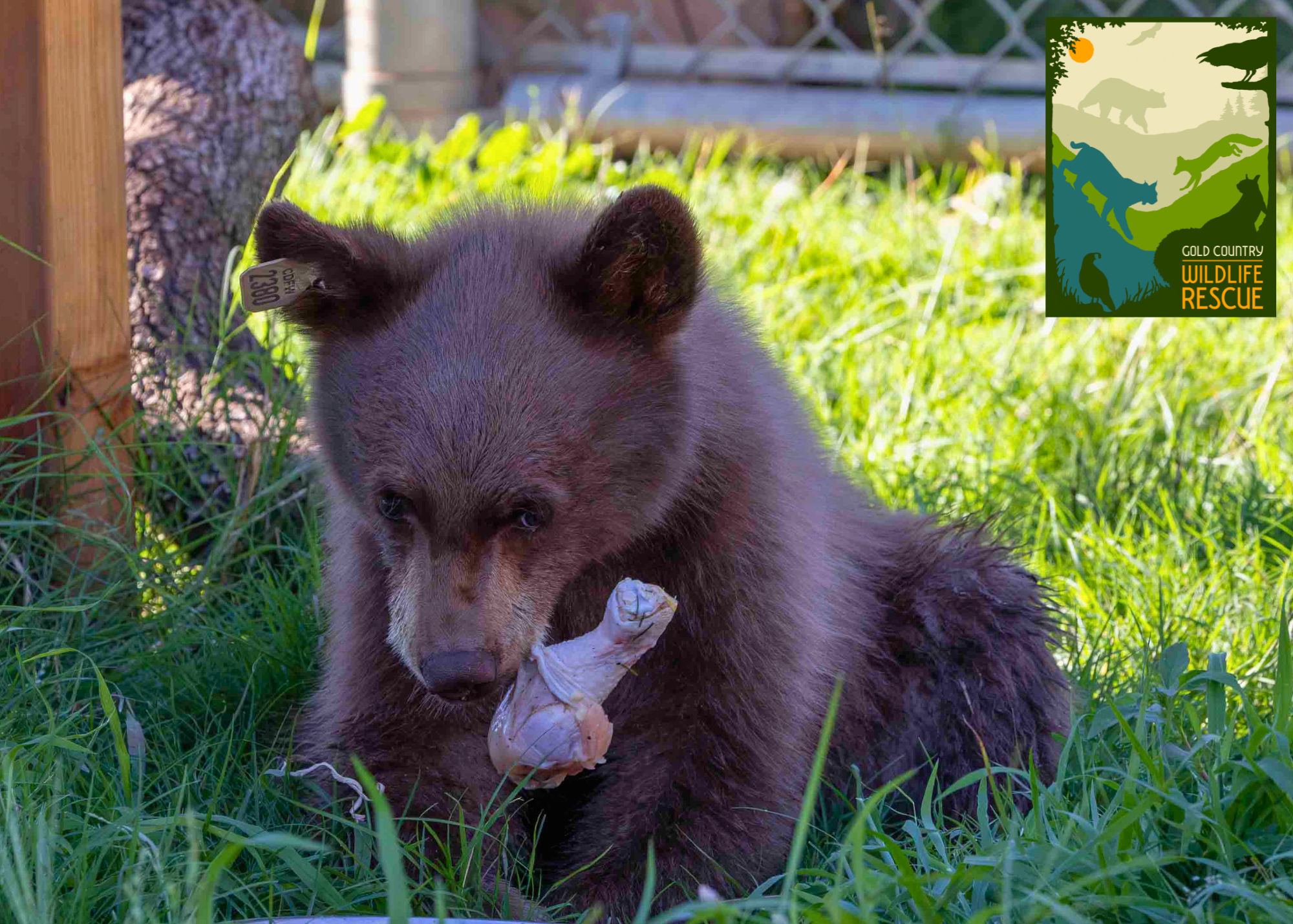
We recently introduced you to the four orphaned American Black Bear cubs now in our care. Each arrived under heartbreaking circumstances, but we, and they, are all working toward the same goal: them returning to the wild where they belong.
Between growing, healing, climbing, wrestling, exploring, and simply being busy young bears, they work up some impressive appetites.
And they’ll only get hungrier until winter arrives!
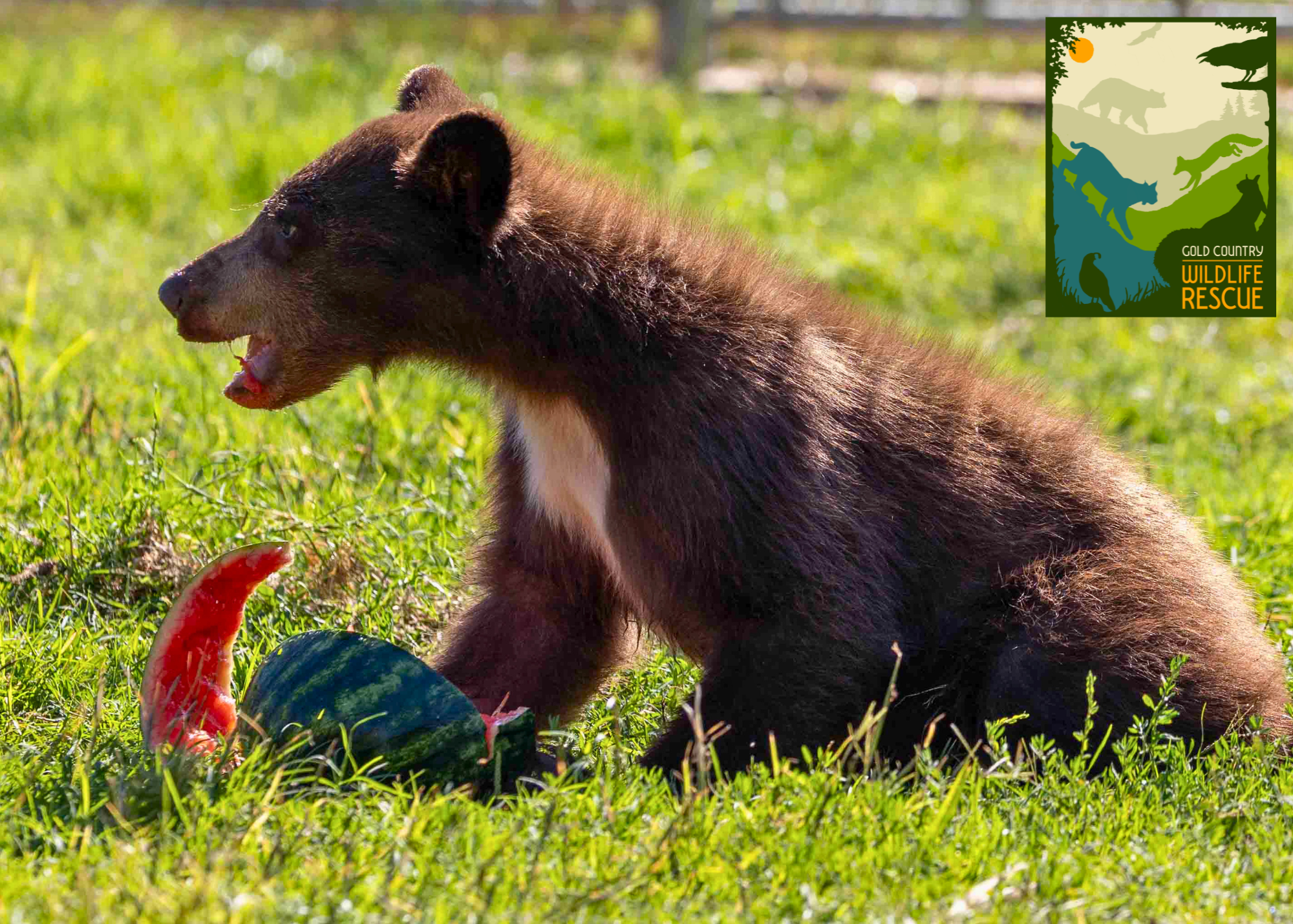
These cubs will remain in our care for many months while they grow strong enough, healthy enough, and old enough to successfully survive on their own in the wild. During that time, they’ll eat an incredible amount of fresh food every day which comes with lots of labor and a huge price tag.
Want to Help Feed the Bears?
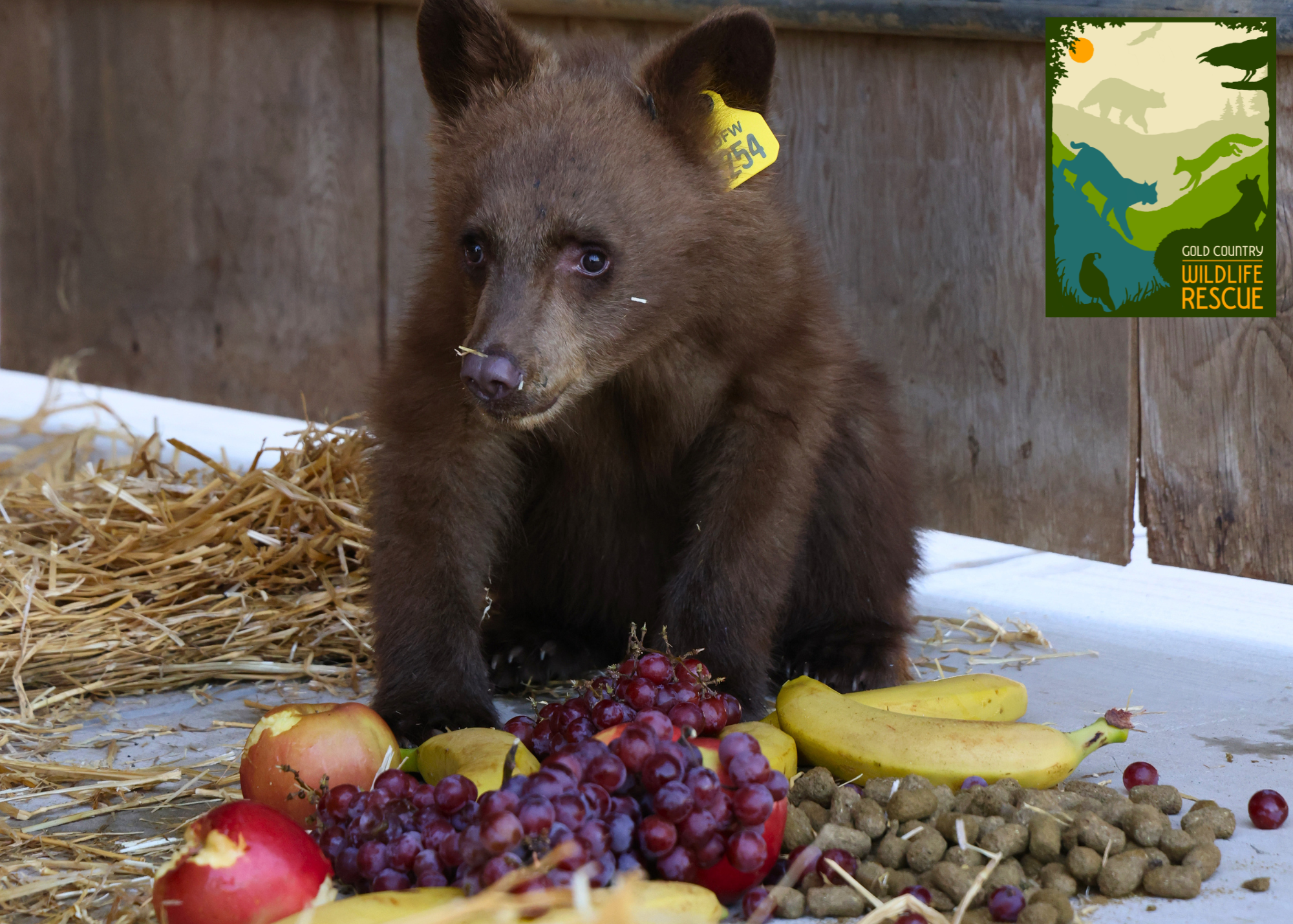
Here’s the good news: this is one of the few times it’s actually appropriate to help feed bears.
Please don’t ever feed wild bears. Bears that learn to associate people with food often lose their natural wariness, creating dangerous situations for both bears and people, and often lose their lives.
But bears in licensed wildlife rehabilitation are a different story. Every meal is carefully planned to meet their nutritional needs while helping prepare them for life back in the wild.
If you’d like to help, we’re currently accepting donations of the following foods:
Vegetables (Fresh)
- Squash (any kind)
- Romaine lettuce
- Dandelion greens
- Chard
- Carrots
- Cucumbers
- Green beans
- Peas
- Tomatoes (any kind)
Fruit (Fresh)
- Melons
- Fresh berries (blackberries and strawberries)
- Apples
- Oranges
- Peaches
- Plums
- Persimmon
- Figs
Nuts (Unsalted)
- Whole walnuts
- Whole almonds
- Whole pecans
- Green acorns
Fish (whole and uncleaned, fresh or fresh-frozen)
- Trout
- Salmon
- Bass
Because these cubs are on carefully managed diets, we can only accept the foods listed above. While we truly appreciate every offer to help, foods outside of this list can’t be accepted.
Keeping Bears Wild
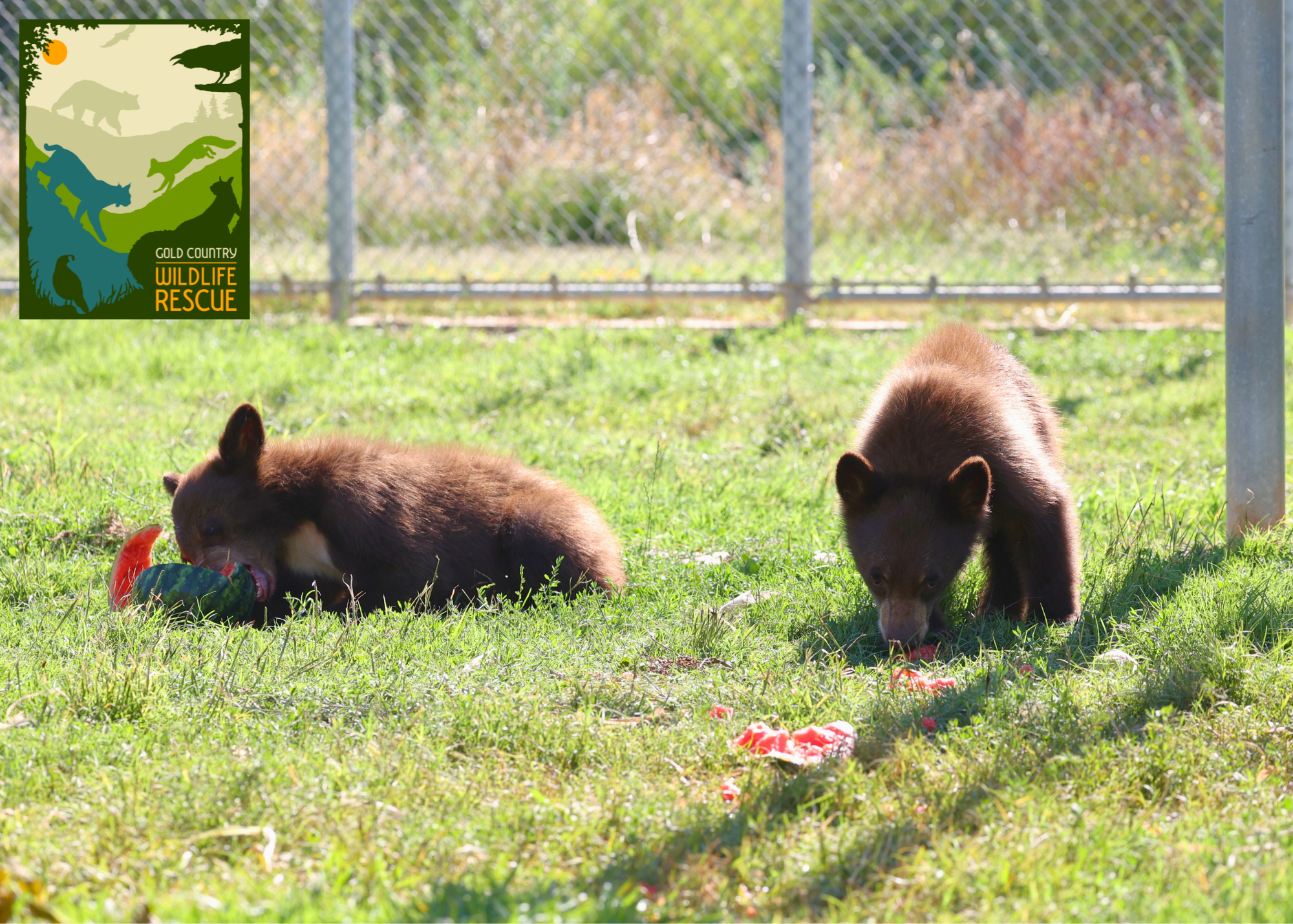
One of the most important parts of bear rehabilitation isn’t just what we feed them, it’s how we feed them.
Everything we do is designed to keep these cubs from becoming comfortable around people. We use visual barriers to limit human interaction, avoid driving vehicles near their enclosure so they don’t associate cars with food, and whenever possible, we do our best to deliver meals while the cubs are resting in their dens. The less they see us, the better.
Our goal isn’t for these cubs to know us.
Our goal is for them to forget we were ever here.
More Than a Grocery Run
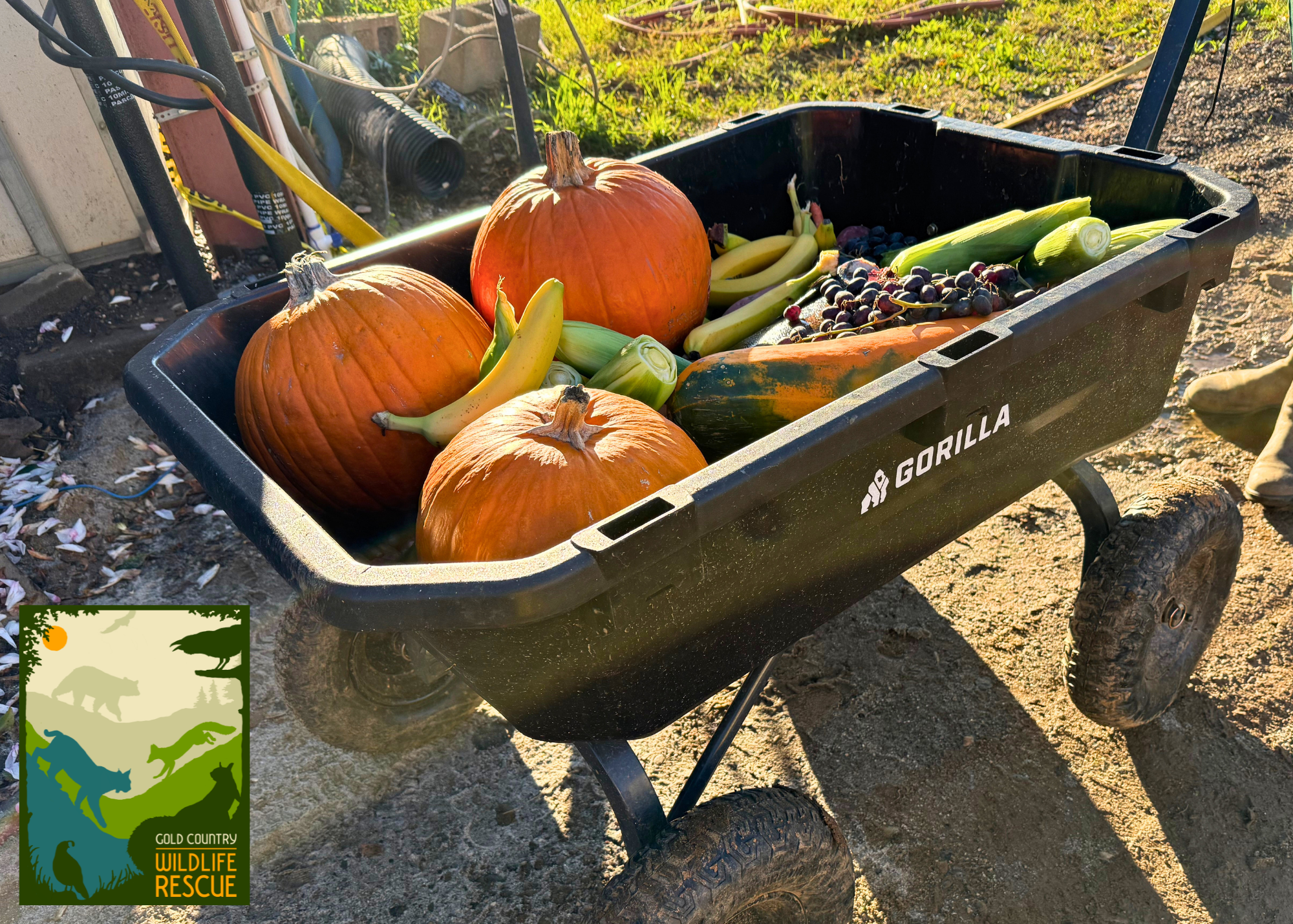
Whether you pick up an extra squash while you’re shopping, have an abundance of tomatoes or cucumbers in your garden, gather green acorns while you’re out enjoying nature, or bring home an extra whole trout after a successful day of fishing, every donation helps. It can even become a fun family activity, a classroom or Scout project, or a friendly challenge at work to see who can collect the most bear-approved foods. It all adds up to healthier bears, lower rehabilitation costs, and more resources that can go toward caring for the thousands of other wild patients that come through our doors each year.
These four cubs still have a long journey ahead of them, but with the support of our community, they’ll have everything they need to grow into strong, healthy wild bears.
Thank you for helping us keep them wild and well fed!


