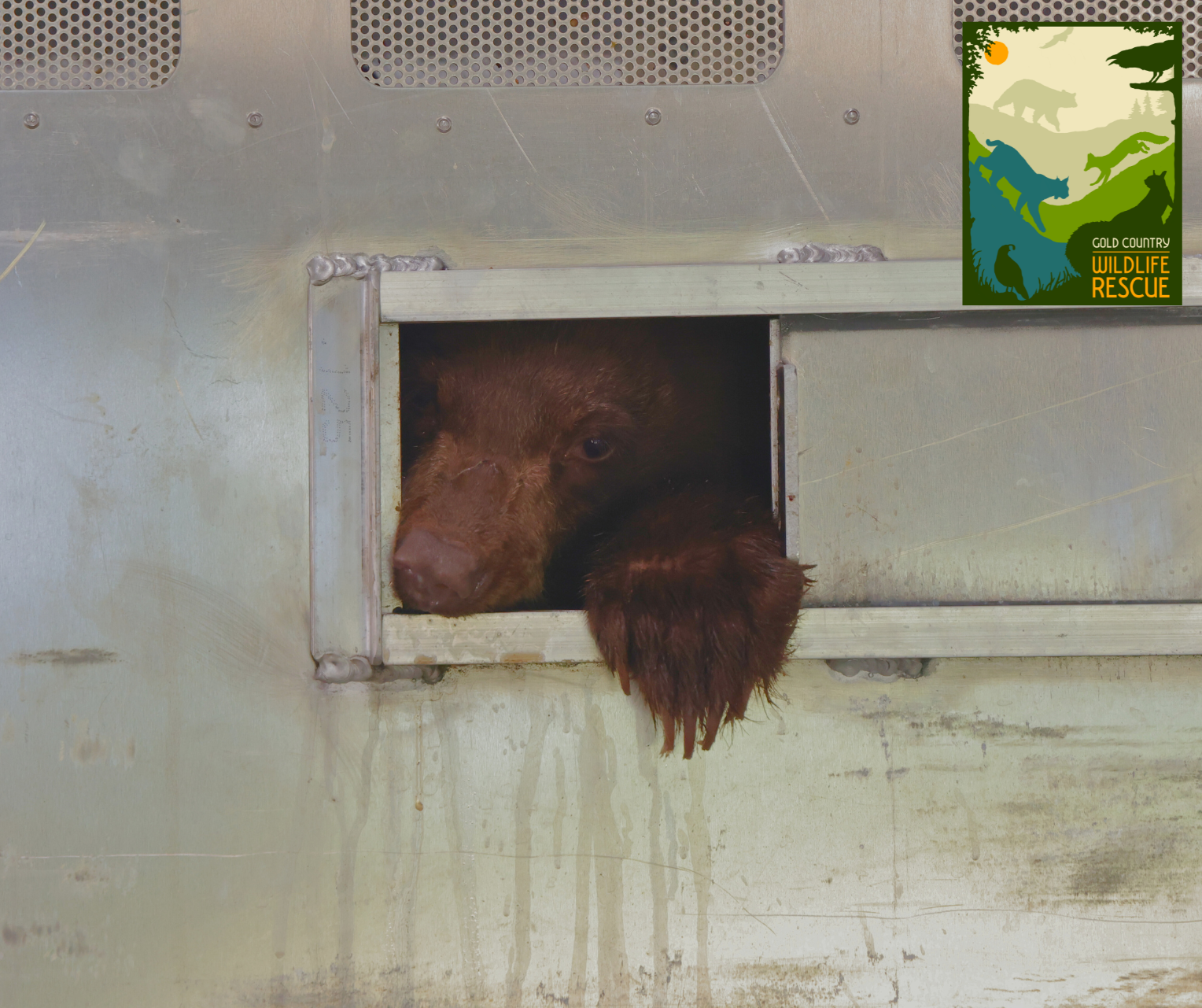
Gold Country Wildlife Rescue (GCWR) has experienced an unprecedented surge in wildlife admissions, receiving six orphaned Black Bear cubs in just seven days — the highest number of bear cubs ever housed at the organization’s “Summit University” rehabilitation facility at one time.
After just one day without any Black Bear cubs in care, GCWR admitted two sets of twins, followed closely by two additional single cubs, all transported to us by the California Department of Fish and Wildlife between June 26 and July 2.
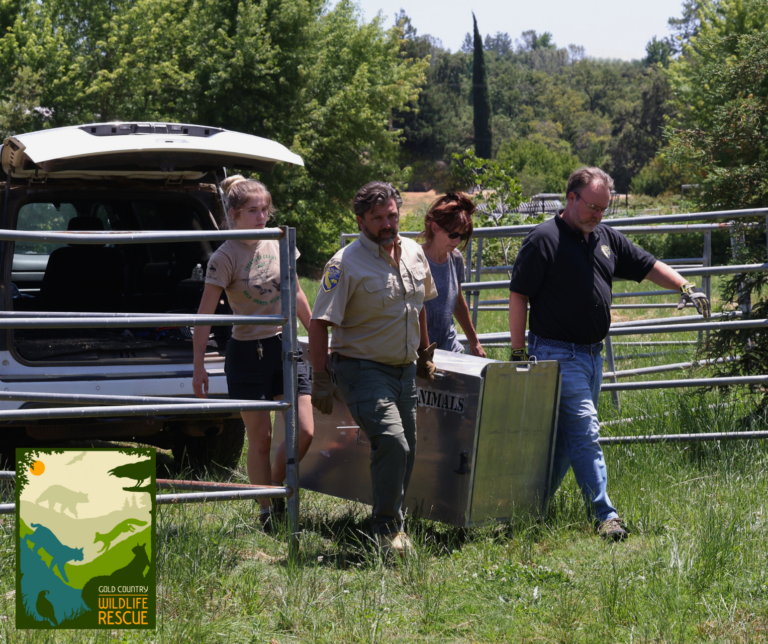
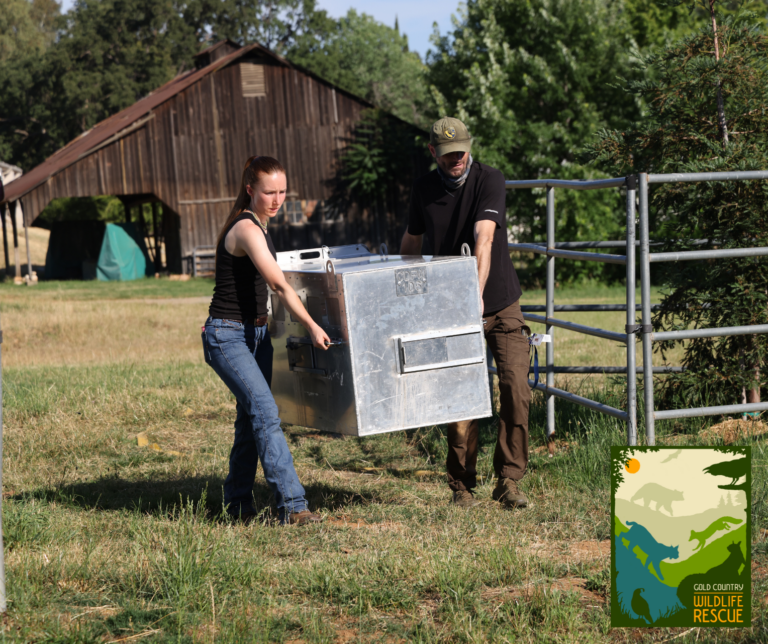
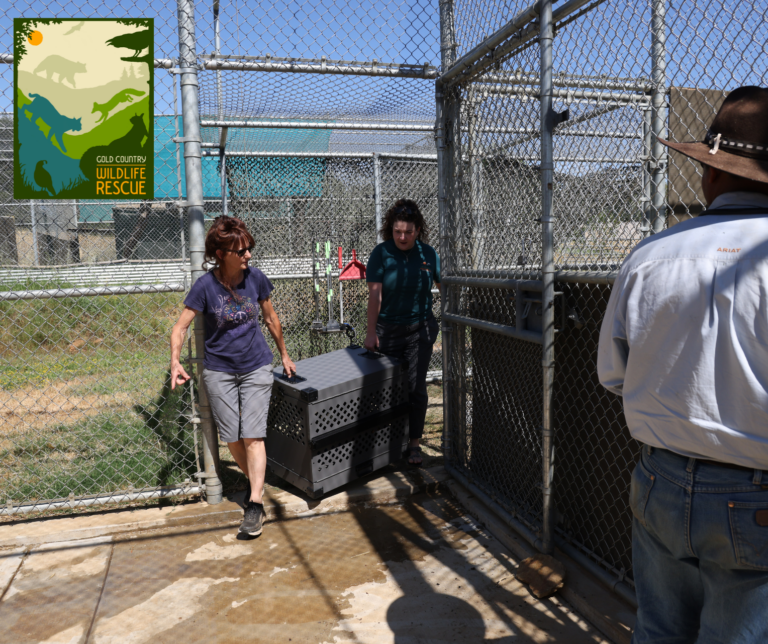
While Gold Country Wildlife Rescue does not typically name the wild animals in our care, most Black Bear cubs are a unique exception. Because these cubs remain with us for many months — often arriving in sibling groups — we assign nicknames to help our team identify and coordinate care for each cub, which is often easier to reference than their 6-digit identification numbers. These names are not used during direct contact with or around the cubs (we don’t talk to animals in care to keep them wild!), and serve only for documentation and internal communication. Our goal remains the same: to raise truly wild bears who fear humans and are fully prepared to safely return to their natural habitat.
With that in mind, we’d like to introduce the six cubs currently in care at Summit University:
- Rubicon and Tahoe, twin cubs from the South Lake Tahoe area
- Lassen and Trinity, twin cubs from the Redding region
- Shasta, a single cub from Shasta County
- Rollins, a single cub rescued in Placer County
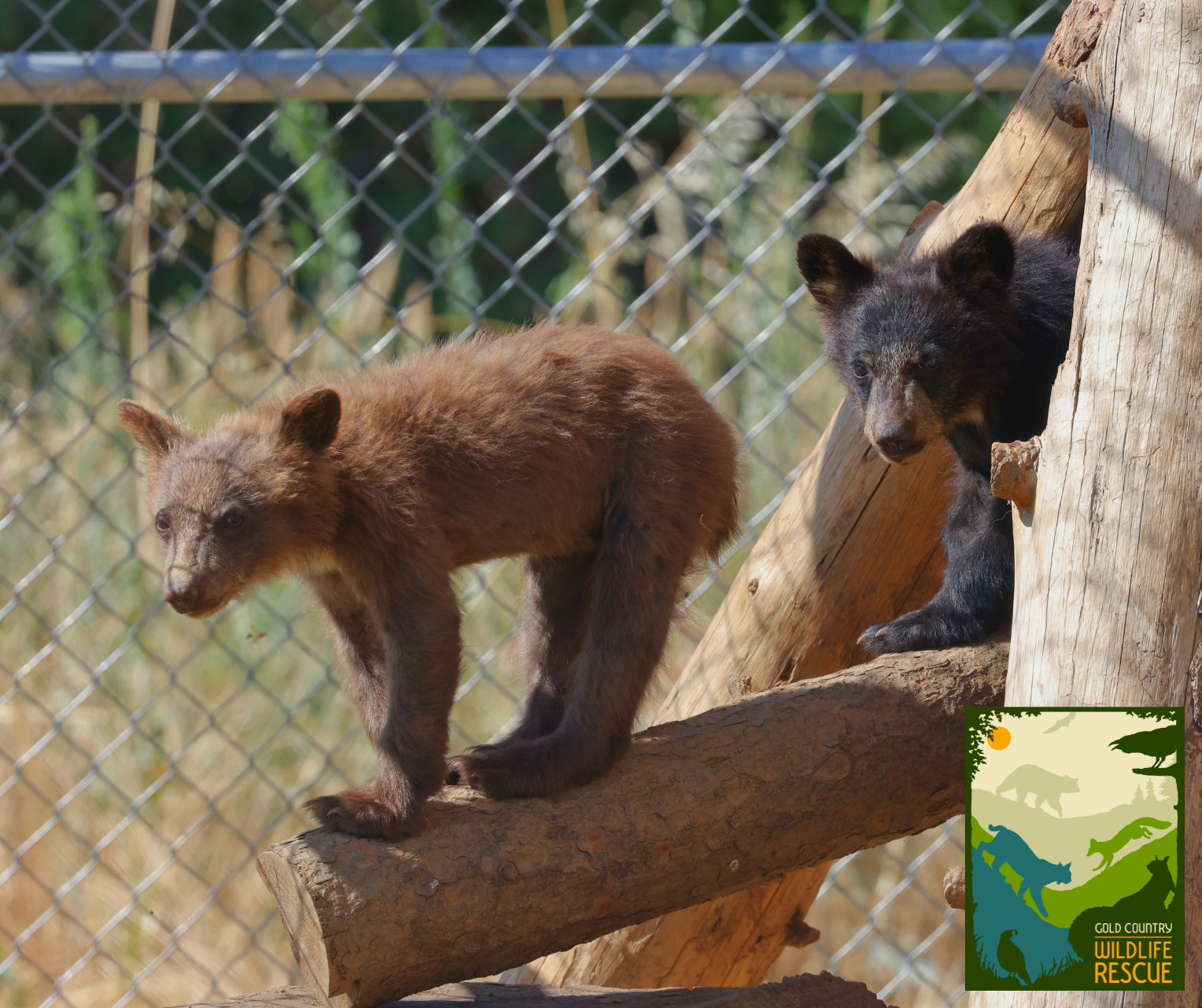
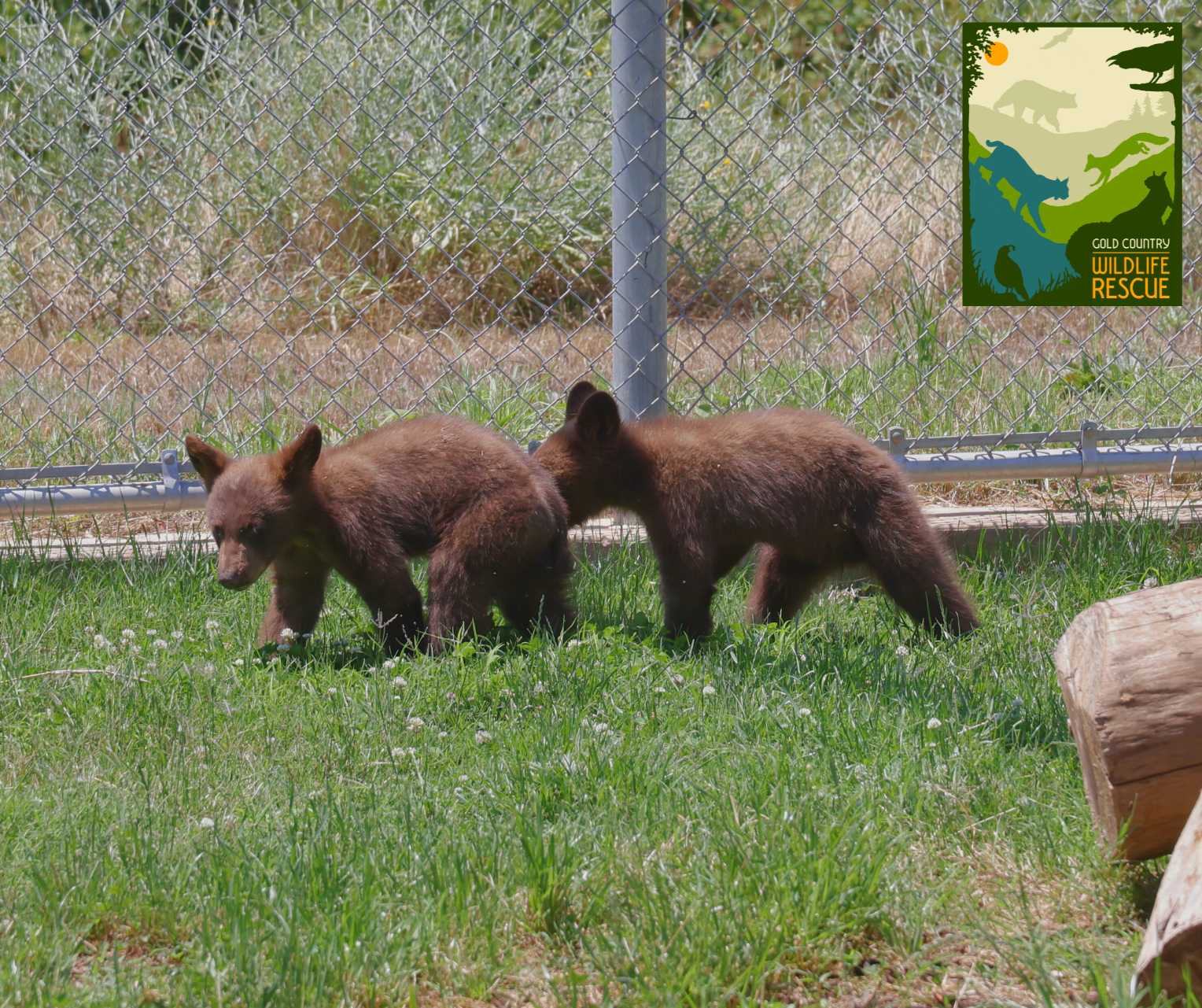
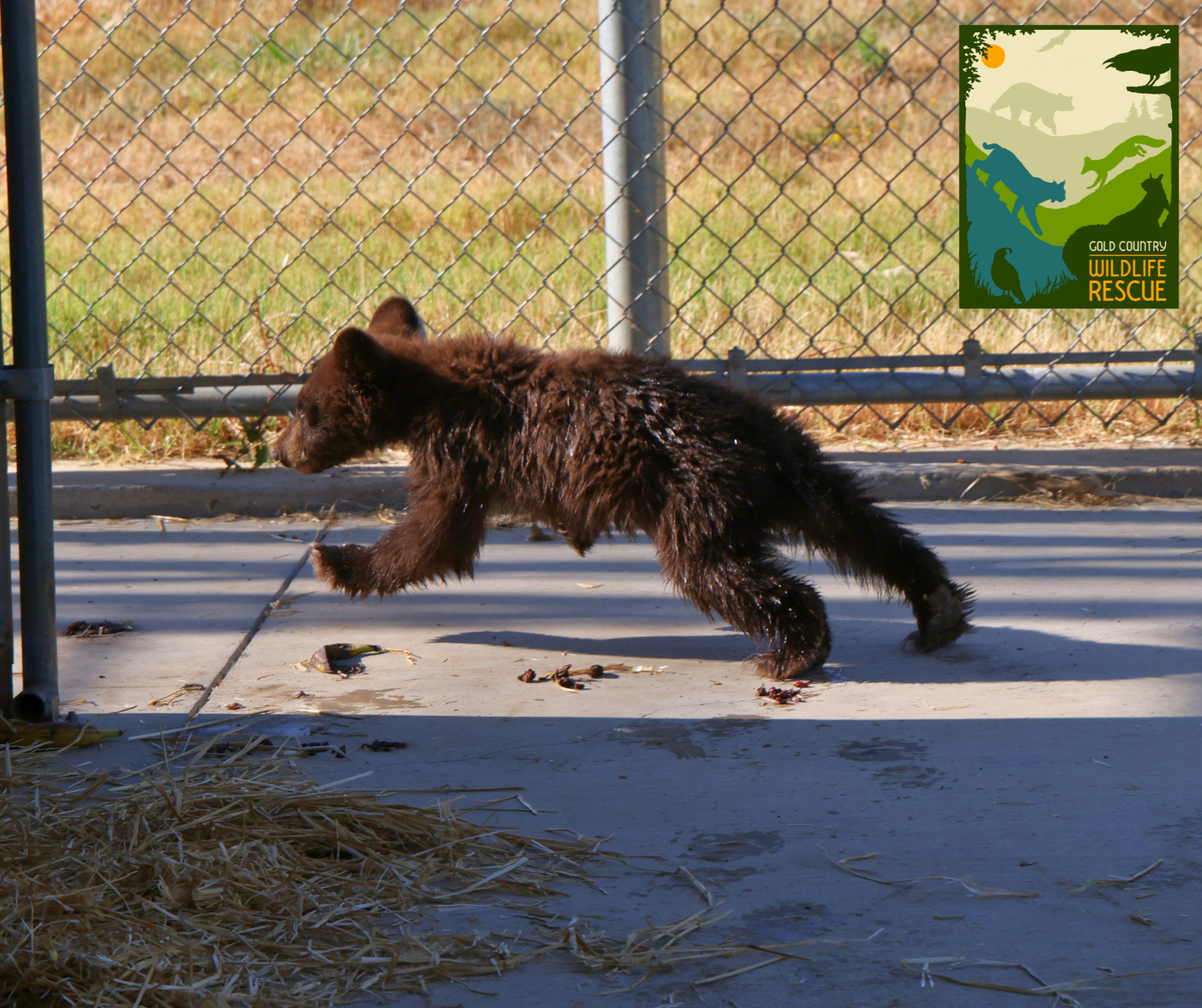
Each of these cubs is currently estimated to weigh between 12 and 17 pounds and they are believed to be 5-6 months in age. Intake and wellness exams will happen soon.
“This is the most Black Bear cubs we’ve ever had in care at once,” said Founder and Executive Director, Sallysue Stein. “It’s an important milestone for us, but it’s also a concerning reflection of how much human activity is impacting this species.”
All six cubs are orphaned, with causes ranging from vehicle collisions and missing mothers to increasingly frequent and dangerous human interactions. Without intervention, these young cubs would not have survived on their own in the wild.
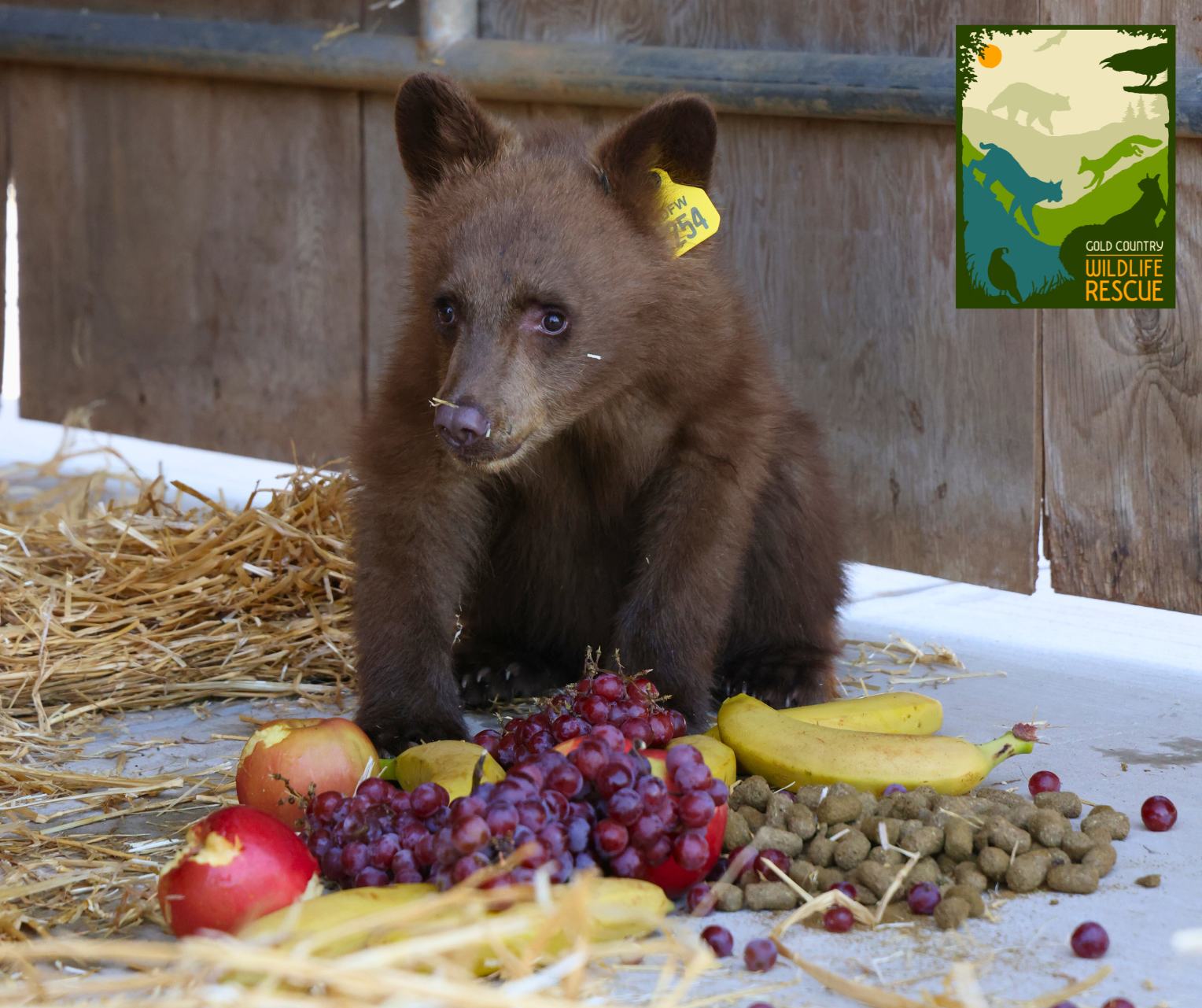
Now safe in care, the cubs face a long rehabilitation process, one that typically lasts 10 to 11 months, until they’re old and strong enough to be returned to the wild next spring. During that time, they’ll be cared for in GCWR’s specialized facility, where they’ll learn how to forage, explore, and avoid people — all while remaining as wild as possible.
But the cost of raising even one Black Bear cub is steep. Providing appropriate food — including fruits, proteins, and species-specific bear chow, along with expert veterinary care and species-appropriate housing, requires significant resources. Multiply that by six, and the financial demand becomes daunting.
“We’re committed to giving these cubs their best shot at a truly wild future,” said Stein, “but feeding and caring for six growing bears for nearly a year is no small feat. We’re asking our community to help us make that possible.”
GCWR invites individuals, businesses, and organizations to consider supporting the care of these six cubs. Donations will directly impact their health, growth, and return to their natural habitat.
To donate to their long term on-going care visit: https://ddock.co/XBR6FH8CQO
About Gold Country Wildlife Rescue
Gold Country Wildlife Rescue is a nonprofit wildlife rehabilitation center serving Northern California. The organization specializes in the rescue, rehabilitation, and release of injured and orphaned native wildlife while promoting peaceful coexistence between people and wild animals through education and outreach.